To survive a crypto bear market, you need one thing nobody can sell you: experience living through one. I’ve been through three — 2018, 2020, and 2022 — and I tracked my decisions, my drawdowns, and my regrets in real time. Here’s what the data actually shows about how to survive a crypto bear market.
TL;DR
– Bear markets are painful, long, and often worse for altcoins than Bitcoin — ETH took over 1,100 days to reclaim its 2018 ATH.
– DCA through the bottom works, but only if you’re DCAing into assets that actually recover (BTC/ETH, not random alts).
– Platform risk is real — I lost money on Celsius and know exactly what that cost me.
Track your crypto portfolio through every market cycle: CoinTracker makes it easy to see your real total return — not just yield. Robinhood offers commission-free crypto trading if you’re rebalancing during downturns.
The Setup: Three Bears, One Portfolio
I bought my first Bitcoin in 2014. Not because I was early in any genius sense — I just stumbled into it, read a few Reddit threads, and put a few hundred dollars in. By the time the 2018 bear hit, I had a real position. (If you want the full decade story, read I’ve Been Buying Crypto Since 2014.)
Three crashes later, here’s what I know from experience rather than YouTube theory.
2018: First Real Crash (BTC -84%, Alts Much Worse)
The 2018 bear was my first real reckoning. BTC peaked around $19,700 in December 2017 and bottomed near $3,200 in December 2018 — an 84% drawdown over a full year. That number sounds manageable on paper. It was not manageable in real time.
My altcoin exposure made it significantly worse. I held a bag of smaller tokens that followed BTC down but never recovered. BTC eventually reclaimed its ATH. Many of those alts still haven’t. That was my first expensive education in asset survival.
2020: The COVID Dump — The Fast One Nobody Was Ready For
The 2020 COVID crash was different in every way. BTC fell roughly 50% in about two weeks — March 2020. I remember watching it happen in real time and thinking the whole ecosystem was over. The news cycle was apocalyptic. Pandemic fears, global economic shutdown, and crypto was getting liquidated alongside everything else.
What made 2020 distinct: it recovered fast. By the end of 2020, BTC was near all-time highs. The investors who held through March were richly rewarded. The ones who panic-sold at $4,000 had to buy back at $8,000, $12,000, or missed the cycle entirely.
2022: The One That Dragged On for Over a Year
The 2022 bear was the most brutal — not in percentage terms (BTC fell “only” 77% this time, from $69,000 to $15,476) but in duration and collateral damage. It lasted 12 to 21 months depending on how you count it. And it brought down institutions: Luna/UST, Celsius, FTX. The wreckage wasn’t just price — it was counterparty risk made real.
I was on Celsius. That matters to the data.
What My Portfolio Actually Did (Numbers, Not Theory)
I’m not going to tell you vague things like “I stayed the course.” Here’s what actually happened.
2018 Peak-to-Trough: My Personal Drawdown vs BTC
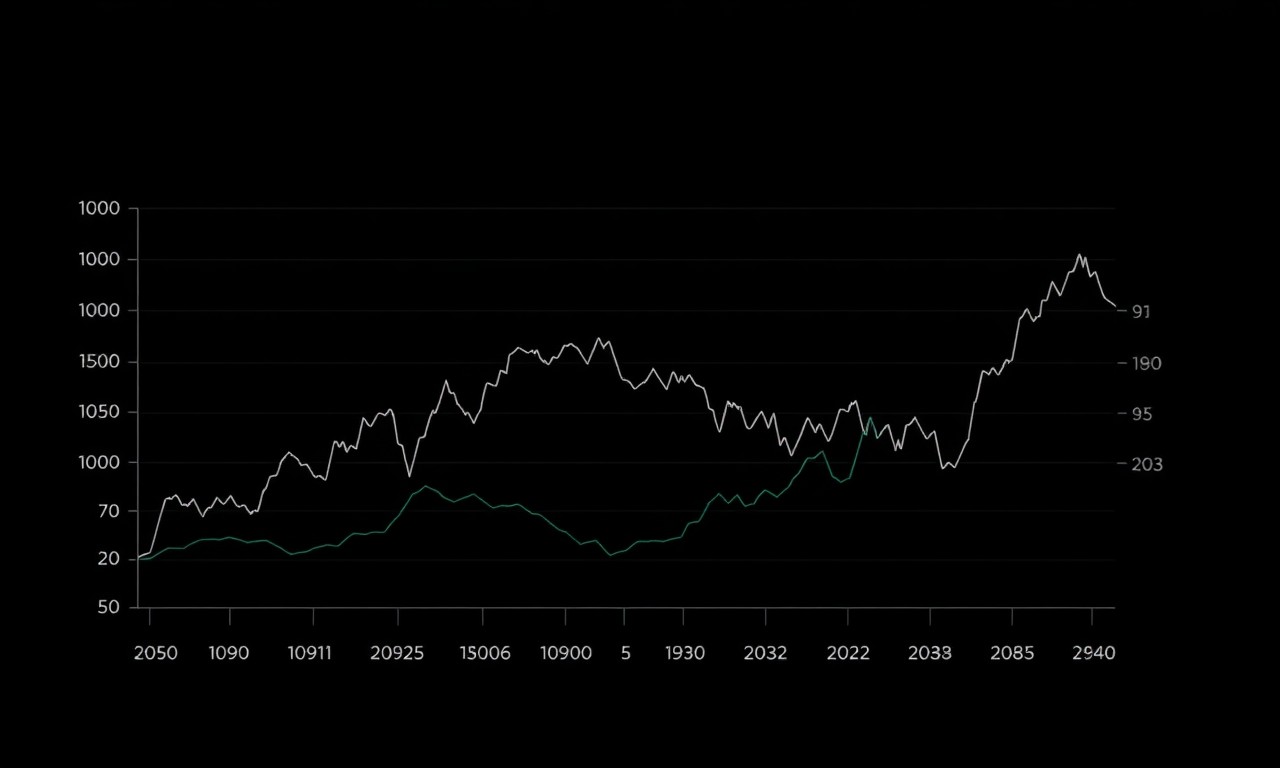
BTC: -84%. My portfolio: worse. Because I held alts alongside BTC, my dollar drawdown was deeper than BTC’s headline number suggested. A few of those alts went to near-zero and never recovered. I’ve estimated my total portfolio peak-to-trough at somewhere in the -87 to -90% range when you include the alts that never came back.
The silver lining: BTC and ETH did recover. I held both. The assets I lost everything on were the speculative small-caps I thought were “the next Bitcoin.”
2020: The Shortest Crash and How It Felt Different
From the COVID bottom (around $3,800) to the end of the year, BTC rallied to near $29,000. If you held through the entire 2-week panic, you made multiples. I held. I didn’t add much — I wasn’t mentally ready to deploy at the bottom, which is a lesson in itself. But I didn’t sell, and that was enough.
2022: Celsius Exposure and What I Lost vs What I Kept
This is the one I talk about because I have real numbers. I had funds on Celsius Network when they froze withdrawals in June 2022. I didn’t get those funds back immediately. Celsius filed for bankruptcy. In 2024, I received recovery distributions as part of the bankruptcy proceedings. The recovery was partial — meaningful, but not whole.
What I kept through 2022: BTC and ETH in self-custody and on Robinhood. Those survived. What I had on Celsius: a portion I’m not going to pretend “doesn’t count.” It counts. Platform risk cost me real money.
The Hardest Decision in Every Bear: Sell, Hold, or Buy?
2018: I Sold Some. It Cost Me.
During the 2018 bear, I sold a portion of my BTC position around $8,000 to $9,000. My logic at the time: cut losses, preserve capital, wait for clarity. The problem with that logic is that “clarity” in a bear market arrives after the bottom — meaning after the price has already bounced 50%+ from the low. I sold into panic, waited, and bought back at a worse average cost than if I’d just held.
Selling during a bear market because it “feels like the right time” is almost always wrong. The time it feels right is exactly when you shouldn’t be selling.
2020: I Held. It Paid Off.
By the time COVID hit in March 2020, I’d been through 2018. I had enough scar tissue to hold. I watched BTC drop from $10,000 to $3,800 and didn’t sell. Within 9 months, BTC was at $29,000. Within 12 months, it was at $40,000+. The lesson from 2018 — don’t sell into panic — was the right one.
2022: I Held BTC and ETH. I Lost Money on Celsius.
In 2022, I held my self-custody BTC and ETH positions through the entire bear. They’re still in my portfolio. The Celsius exposure is the loss I carry forward. Different kinds of loss, same bear market.
Why DCA Works — and When It Doesn’t
Dollar-cost averaging has been the single most reliable strategy I’ve used across all three cycles. But it’s not magic — and there’s a version of it that destroys portfolios.
Fixed Amounts, Not Feelings
The reason DCA works is mechanical: you remove feelings from the equation. Every week or month, a fixed dollar amount goes into BTC regardless of price. When price is high, you buy less BTC per dollar. When price is low, you buy more. Over time, your average cost tracks somewhere in the middle — and in a recovering market, you profit.
I didn’t start systematic DCA until after 2018. That’s my biggest regret. If I had been putting $200/week into BTC through the 2018-2020 bear, my average cost would be somewhere around $5,000 to $6,000. The 2020-2021 bull would have been life-changing at that basis.
The Math: What DCA from the 2022 Bottom Returned
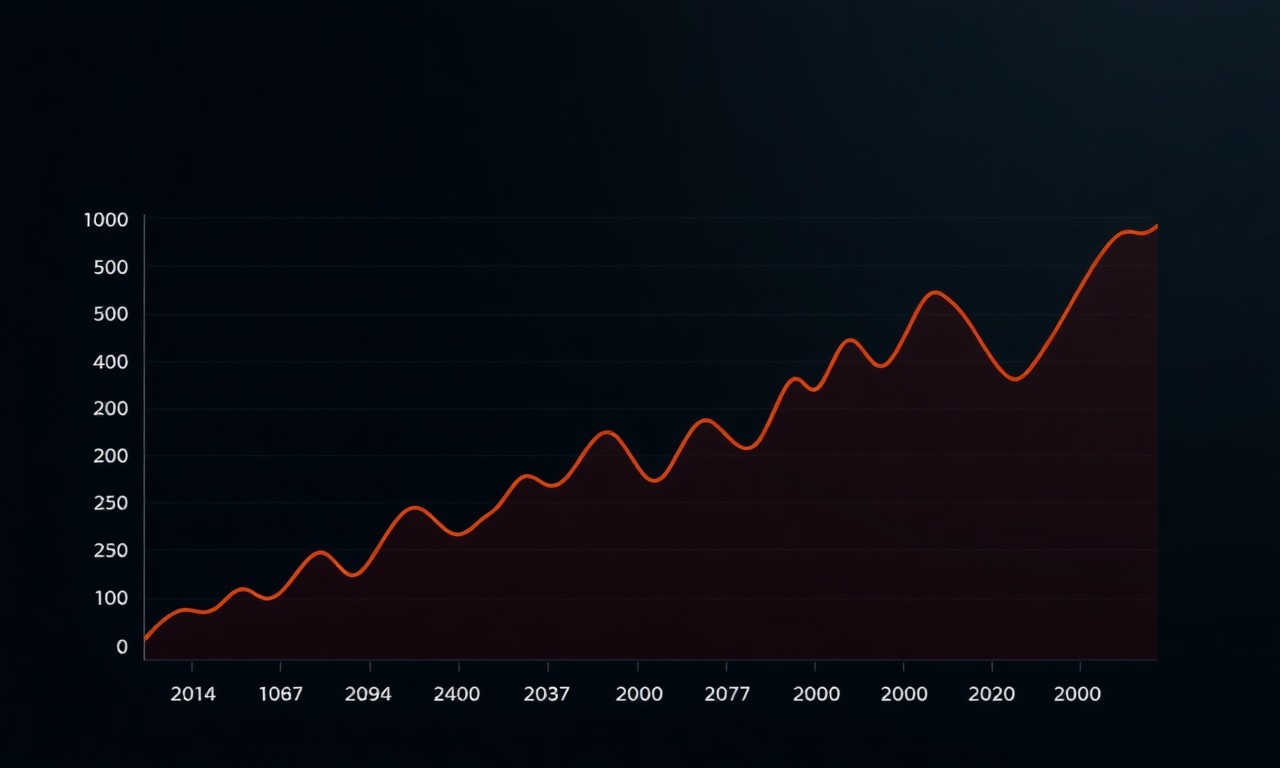
From the 2022 bottom at $15,476 to the October 2025 high at approximately $126,271, BTC rallied 716%. If you started DCA at the bottom and ran it through 2025, your average cost would be well below $50,000. The returns would have been substantial — somewhere in the 3x to 5x range depending on exact timing and amounts.
The Trap: DCAing Into Bad Assets
Here’s what nobody tells you: DCA into the wrong assets and you lose everything. I DCA’d into some 2018-era altcoins that never recovered. Fixed amounts into a dying token doesn’t save you — it just spreads out your losses over more time. DCA into BTC. DCA into ETH if you believe in it. Be very skeptical of DCAing into anything else.
What I Learned About Which Assets Survive
This is probably the most important section of this article. Not all crypto drawdowns are equal. The recovery math is completely different by asset.
BTC vs ETH vs Alts: Not All Drawdowns Are Equal
BTC is the only crypto that has reliably recovered from every bear market to set new all-time highs. ETH has followed, though on longer timelines. Most altcoins from 2017 are still significantly below their ATHs — if they exist at all.
A portfolio shaped by these lessons puts BTC and ETH at the core. Speculative positions like SOL or AVAX get sized accordingly. The era of chasing random alts for 100x is behind me — the tuition on that strategy has already been paid.
ETH Took 1,108 Days to Reclaim Its 2018 ATH
This number matters. ETH peaked near $1,416 in January 2018. It didn’t reclaim that price until January 2021 — 1,108 days later. That’s three years of holding through a drawdown that at its worst hit -92 to -94%. Most people gave up. The ones who held made extraordinary returns in the 2021 bull.
I held ETH through that entire period. I’ll be honest — I almost sold multiple times. The only reason I didn’t is that I didn’t have a compelling reason to sell into cash at those prices. That stubbornness paid off.
Alts Rarely Come Back — Full List Mentality Is a Trap
I’ve had tokens go to zero. Actual zero. The 2018 bear wiped out dozens of projects I thought had “real use cases.” The lesson isn’t that you should never hold alts — it’s that you should size them as if they might go to zero, because some will. Never hold more alts than you’re comfortable losing entirely.
The Celsius Lesson: Platform Risk Is Real
I don’t shy away from this story because it’s embarrassing. It’s the most important lesson I can pass on. I wrote the full account in I Lost Money on Celsius Network. Here’s What I Wish I Knew — read it if you’re keeping assets on any yield platform.
What I Had on Celsius and What I Lost
Celsius was a crypto lending platform that offered yield on deposited assets — sometimes 8%, 10%, higher. I used it. It seemed like a reputable institution. It wasn’t. When they froze withdrawals in June 2022, I was among the customers locked out.
The specific amount I had on Celsius is my business. What I’ll say is: it was enough to hurt. And it was money I could have kept in self-custody or on a regulated brokerage.
What the 2024 Recovery Distributions Paid Out
Celsius filed for Chapter 11 in July 2022. The bankruptcy process ground through 2023 and into 2024. I received recovery distributions in 2024 — cash and crypto — as part of the creditor proceedings. The recovery was partial. Not a total loss, but a real one.
Takeaway: Know Your Counterparty
“Not your keys, not your coins” is the simple version. The nuanced version: know exactly what you’re doing when you hand assets to a third party, understand the counterparty risk, and don’t chase yield from platforms you don’t fully understand. I now keep the vast majority of my crypto either in self-custody or on Robinhood — a regulated broker with SIPC-adjacent protections and real regulatory oversight. That’s not exciting, but it’s not Celsius either.
The Mental Game: What Actually Gets People Wrecked
Losing money in a bear market is almost inevitable if you have real exposure. The question is whether you lose 30% while the market recovers, or you crystallize 70% losses by panic-selling at the bottom.
Selling at the Bottom Because the News Was the Worst
The worst news in any bear market arrives at or near the bottom. This is structural, not coincidental: prices fall as bad news accumulates, and the worst headlines tend to hit when prices are lowest. In 2018, it was endless “Bitcoin is dead” pieces. In 2022, it was Celsius, FTX, and Luna — real disasters that made total collapse seem plausible.
Every time I’ve been tempted to sell at the bottom, the news has been catastrophic. That’s the signal.
The Illusion of “Cutting Losses”
The phrase “cut losses” implies you can undo them. You can’t. If BTC is down 70% and you sell, you’ve locked in a 70% loss. To make whole, you need to buy back at lower prices or miss the recovery entirely. Selling into a bear market is only the right move if you have genuine reasons to believe the asset won’t recover — not because the price action scares you.
Why Silence on Social Media Means Recovery Is Near
This one’s anecdotal, but I’ve observed it across all three cycles: crypto Twitter and crypto forums go quiet near the bottom. The shills stop shilling. The hype accounts stop posting. The “price discovery” spaces go dark because nobody wants to talk about being down 80%. When the noise stops, the bottom is usually close.
How to Survive a Crypto Bear Market: My Actual Framework for 2026
As of March 2026, we’re in what looks like another bear market cycle. BTC is significantly off its 2025 highs. If you’re asking what to do — here’s my actual framework for how to survive a crypto bear market right now.
What I’d Do If I Were Starting Fresh in a 2026 Bear
Start DCA into BTC immediately. Not all at once — systematically, every week or every two weeks. Don’t try to time the bottom. Nobody has timed the bottom consistently. Build your position at an average cost that will look smart in 3 years.
Hold ETH as a secondary position. Keep it smaller than BTC — maybe 20-30% of your crypto allocation. Skip the alts unless you’re ready to size them like lottery tickets.
Keep everything on regulated platforms or in self-custody. Nothing on lending platforms you don’t fully understand.
Where to Buy: Fees Matter More in a Bear Market
In a bull market, you feel fine overpaying 3.99% to Coinbase on a card purchase because the asset is ripping. In a bear market, that fee stings more — and it compounds across every purchase you make building your position. (For a full platform breakdown, see Best Crypto Exchange for Beginners in 2026.)
I buy through Robinhood now. No commission on crypto trades — not 1.49%, not 3.99%. I use [ROBINHOOD_REFERRAL] and the fee structure for a long DCA campaign is materially better than legacy exchanges. When you’re making 50 or 100 purchases through a bear market, that fee differential adds up to real money.
If you’re going to build serious size, upgrade to Robinhood Gold — $5/month — for the margin rate advantage, 4% APY on uninvested cash, and research tools. The $5 pays for itself on any meaningful position. [ROBINHOOD_REFERRAL]
What I’m Doing Right Now
I’m holding my core BTC, ETH, SOL, and AVAX positions. I’m not panic-selling. I’m DCAing a small weekly amount into BTC. I’m keeping everything on Robinhood and in self-custody — nothing on yield platforms.
I’ve been through this before. The pattern doesn’t guarantee the future, but three data points is better than zero.
Sources
- TradingView / Swissquote — Bitcoin Historical Drawdown Chart: historical bear markets — 2011 -93%, 2015 -86%, 2018 -84%, 2022 -77% — tradingview.com
- Glassnode + CoinMarketCap Research — ETH 2018 Bear: ETH -92 to -94%, 1,108 days to reclaim ATH — insights.glassnode.com
- Caleb & Brown — Bitcoin Market Cycle: 2022 bear $69K to $15,476, -77% — calebandbrown.com
- KuCoin — Crypto Bear Market 2026: 2022 bear ran 12-14 months, 2026 bear status — kucoin.com
- Trade That Swing — Bitcoin Statistics: 2022 bottom to Oct 2025 high — 716% rally ($15,479 to $126,271) — tradethatswing.com
- Coin Bureau — Crypto Crash Survival Guide: DCA through 2018-2020 drawdowns → 10-20x gains — coinbureau.com
Want tax-advantaged crypto exposure? Bitcoin IRA lets you hold crypto in a tax-deferred retirement account — useful if you’re thinking long-term after weathering bear markets.